
BQF vs IQF Frozen Seafood: What Is the Difference?
Understand block frozen and individually quick frozen formats before choosing seafood packing.
Read More →Use these guides to compare products, prepare inquiries, and reduce sourcing risk.
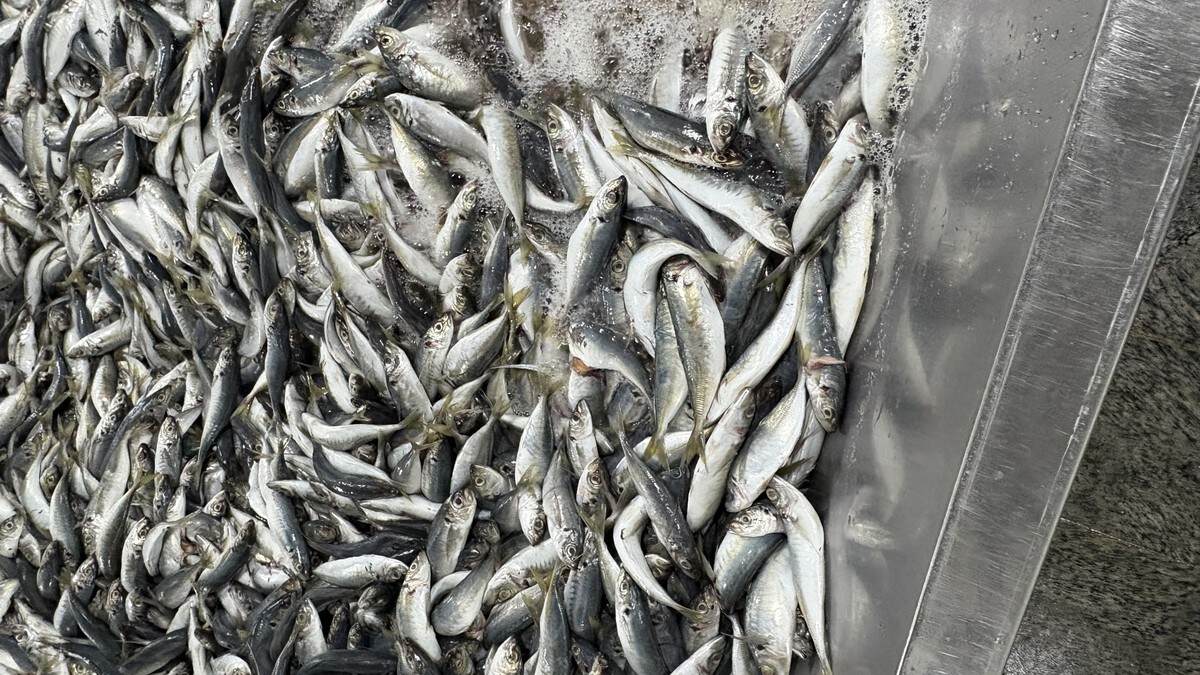
Understand block frozen and individually quick frozen formats before choosing seafood packing.
Read More →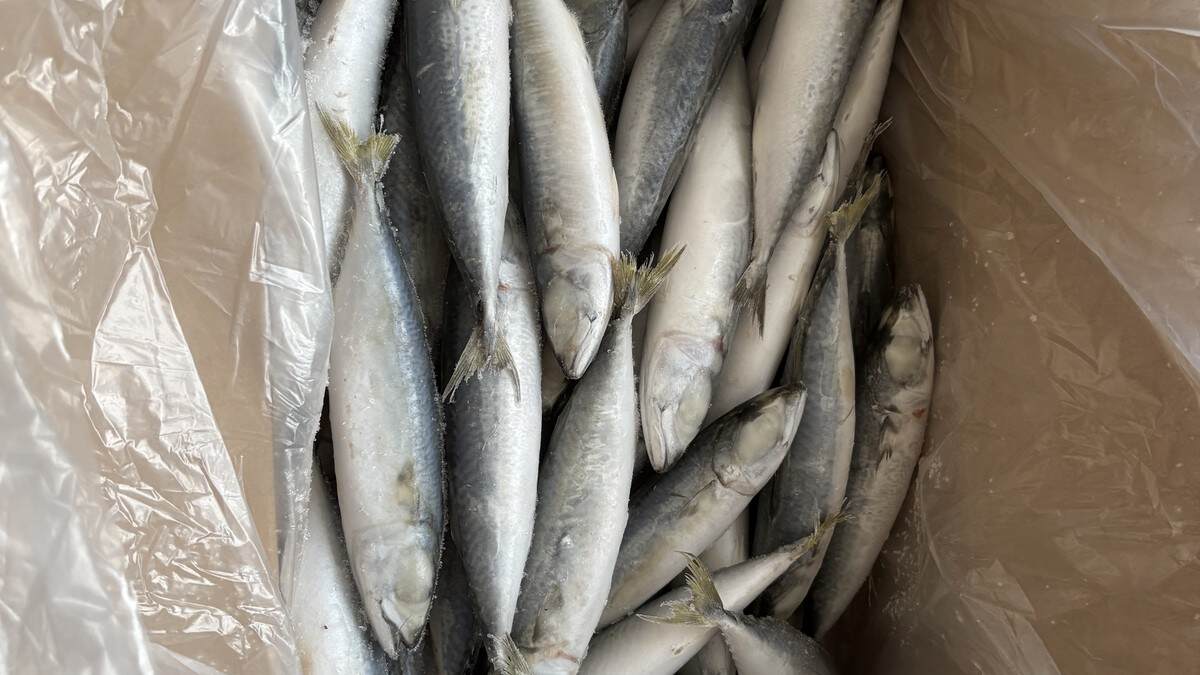
Compare carton packing, inner bags, IWP, IVP, bulk packing, retail packing, and private label requirements.
Read More →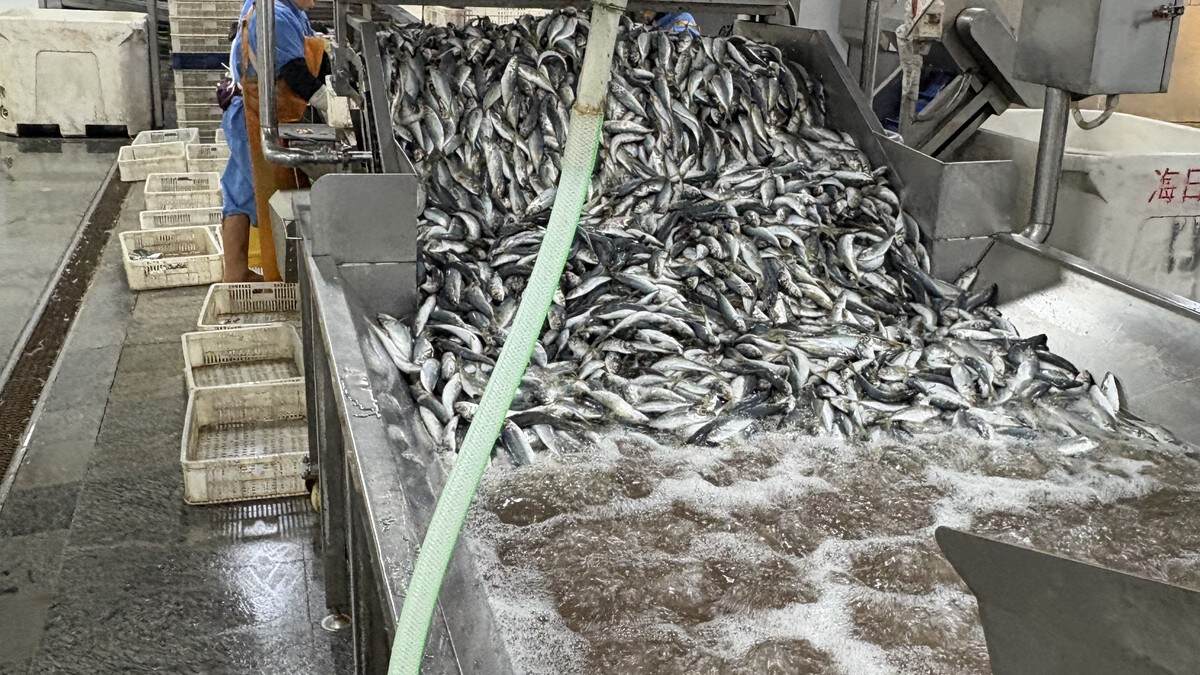
Container loading affects freight efficiency, carton condition, temperature control, and shipment records.
Read More →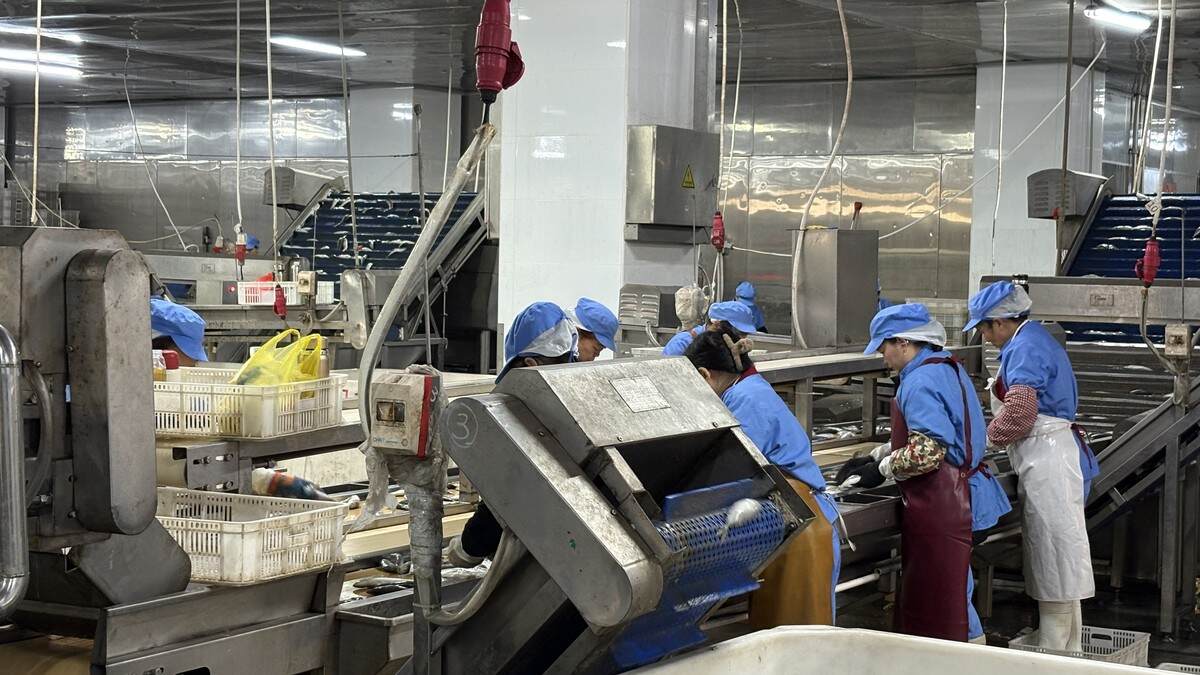
Labels and carton marks should be confirmed early to avoid packing delays and destination-market issues.
Read More →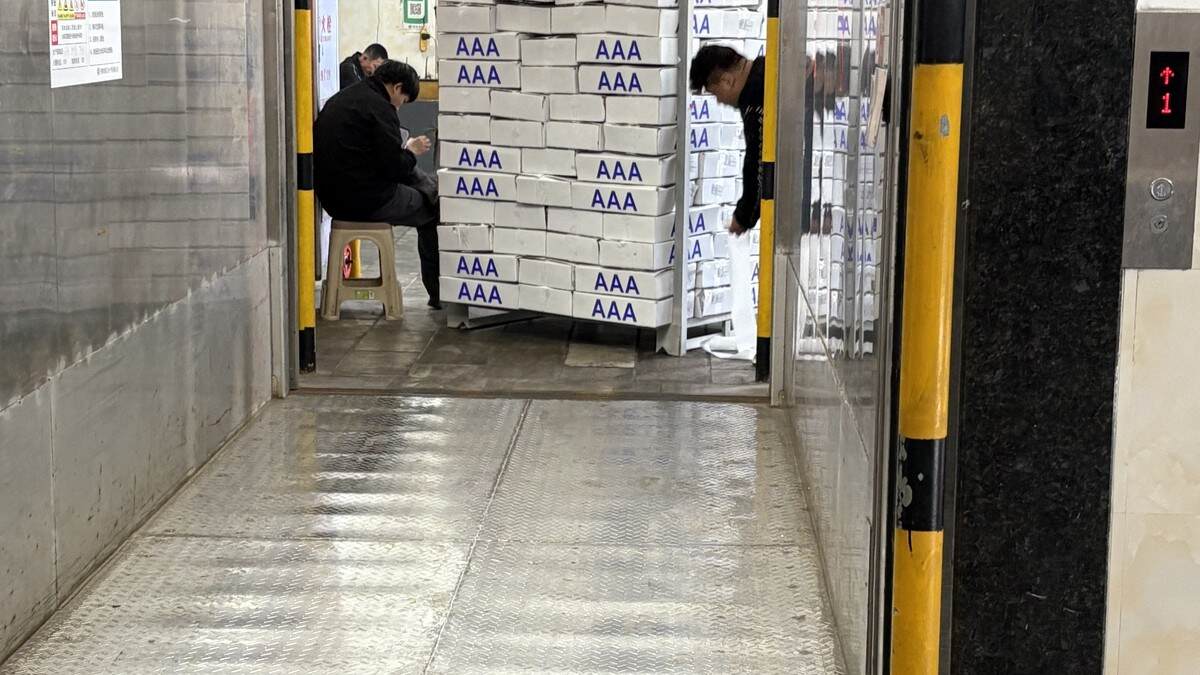
Temperature control during storage, loading, and transport is central to frozen seafood quality.
Read More →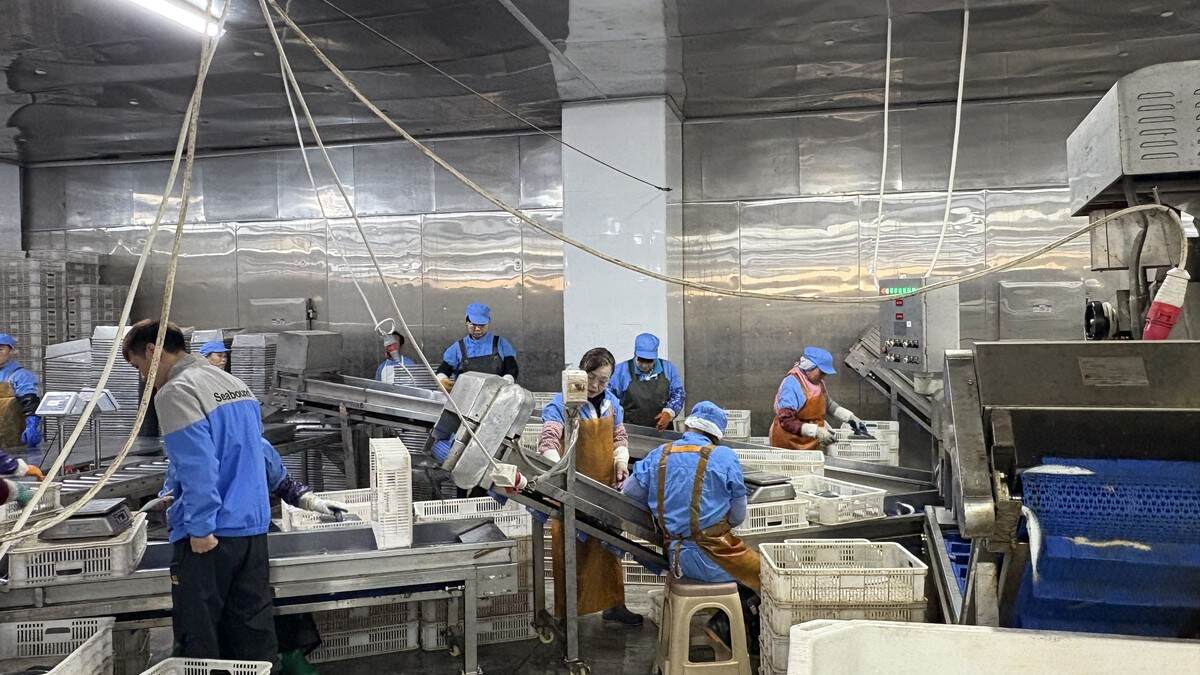
Understand how buyers should think about factory certificates, health documents, and shipment-specific quality records.
Read More →Continue from sourcing advice to product specifications and quotation details.
Please include product, size, packing, quantity, destination port and trade terms.