
How Cold Chain Control Protects Frozen Seafood Quality
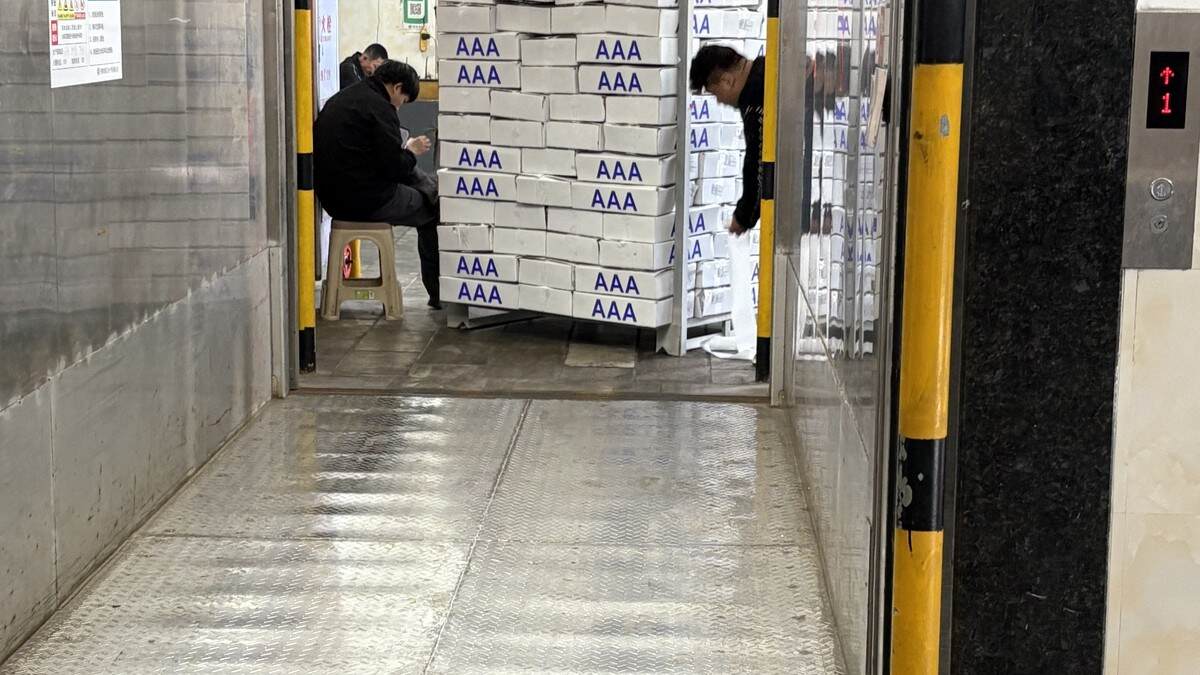
Temperature control during storage, loading, and transport is central to frozen seafood quality.
Frozen seafood quality depends on stable cold-chain control from processing to cold storage, container loading, ocean transport, and local delivery. Even when the raw material is good, weak temperature control can damage texture, appearance, shelf life, and buyer confidence.
Cold-chain control is part of product quality, not only a logistics detail. Importers should ask how goods are stored before loading, how long loading takes, what reefer settings are used, and whether shipment information can be provided for records.
Key Points to Confirm Before Ordering
- Confirm frozen storage condition before shipment, commonly around -18°C or below depending on product and market requirement.
- Check whether cartons remain intact and dry before loading.
- Reduce exposure time during container loading and keep loading organized.
- Confirm reefer container temperature setting before shipment.
- Ask for loading photos when needed, especially for first orders or high-value shipments.
- Keep shipment records, container number, seal number, and estimated arrival date.
Common Mistakes
- Treating cold-chain control as only the shipping company responsibility.
- Loading goods before the container is ready or properly checked.
- Ignoring damaged cartons or signs of thawing.
- Failing to keep loading and shipment records.
Information to Send to the Supplier
- Cold storage condition before loading
- Loading date and container number
- Reefer temperature setting
- Carton condition and loading photos
- Estimated departure and arrival schedule
FAQ
Does frozen seafood always need -18°C?
-18°C or below is a common frozen storage reference, but exact requirements may depend on product, regulation, and buyer standard.
Can loading photos help?
Yes. They provide basic evidence of carton condition, loading process, and shipment preparation.
What happens if temperature fluctuates?
Temperature abuse may affect texture, drip loss, appearance, and shelf life. Severe cases can create food safety risk.
Next Step
If you are preparing to source frozen seafood, send your target product, size, packing, quantity, destination port, and trade term. The clearer the information, the more accurate the quotation and product recommendation will be.