
Whole Round, HGT, Fillet or Butterfly: How to Choose Processing Methods
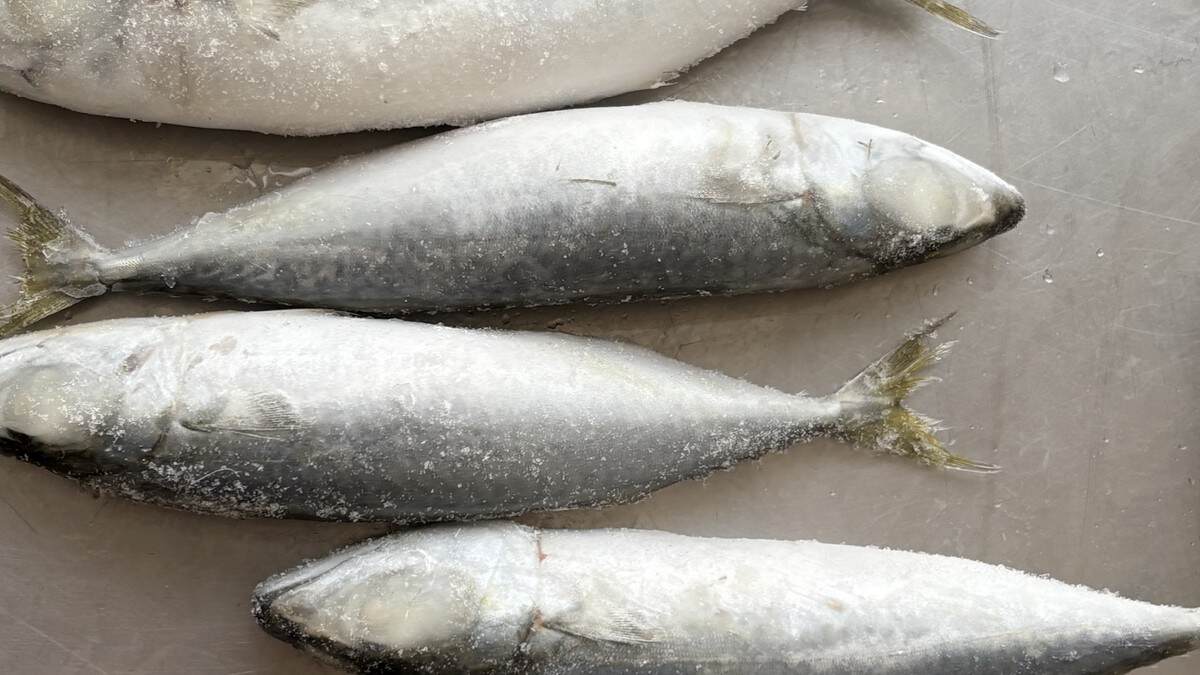
Processing method affects yield, labor cost, cooking use, packing, and final buyer acceptance.
Processing method is more than a product description. It decides how much usable meat the buyer receives, how much labor is needed after arrival, how the product is packed, and which customer channel can use it. In frozen seafood trade, whole round, HGT, headless, fillet, butterfly, squid tube, and ring products can have very different price logic even when they come from the same raw material.
Importers should choose processing form based on final use. A wholesaler serving wet markets may prefer whole round fish. A restaurant distributor may prefer HGT, fillets, or portion-controlled products. A processor may buy raw material for further cutting. If the processing method does not match the sales channel, the buyer may face waste, extra labor, or slow sales.
Key Points to Confirm Before Ordering
- Whole round keeps the natural form and is common for wholesale and markets where buyers prefer complete fish.
- HGT or headless products reduce waste at the buyer side and can simplify kitchen or retail preparation.
- Fillets need closer checks on trimming, thickness, bones, skin-on or skinless requirement, and size uniformity.
- Butterfly or opened products should be checked for cut style, appearance, and whether the market accepts the presentation.
- Squid tubes, rings, flowers, and tentacles require clear processing standard, cleaning level, and packing method.
- Ask whether the price is based on raw material yield or finished product weight, because processing loss changes cost.
Common Mistakes
- Choosing a processed form only because the unit price looks lower.
- Not confirming whether the quoted product is skin-on, skinless, boneless, or trimmed.
- Ignoring yield difference between whole fish and processed product.
- Using photos from one processing style while ordering another.
Information to Send to the Supplier
- Target product and processing form
- Skin, bone, head, tail, and trimming requirement
- Size or portion range
- Freezing method and packing
- Final sales channel or cooking use
- Reference photo if presentation matters
FAQ
Is processed seafood always more expensive?
Usually the unit price is higher because processing creates labor cost and yield loss. However, it may reduce waste and labor after arrival.
Why do suppliers ask about final use?
Final use helps determine the correct cutting style, size, packing, and quality level.
Can processing style be customized?
Often yes, but customization depends on raw material, order quantity, factory capability, and production schedule.
Next Step
If you are preparing to source frozen seafood, send your target product, size, packing, quantity, destination port, and trade term. The clearer the information, the more accurate the quotation and product recommendation will be.